Automated SEO Report vs Human Audit: Which Does Your Store Need?
Published June 9, 2026
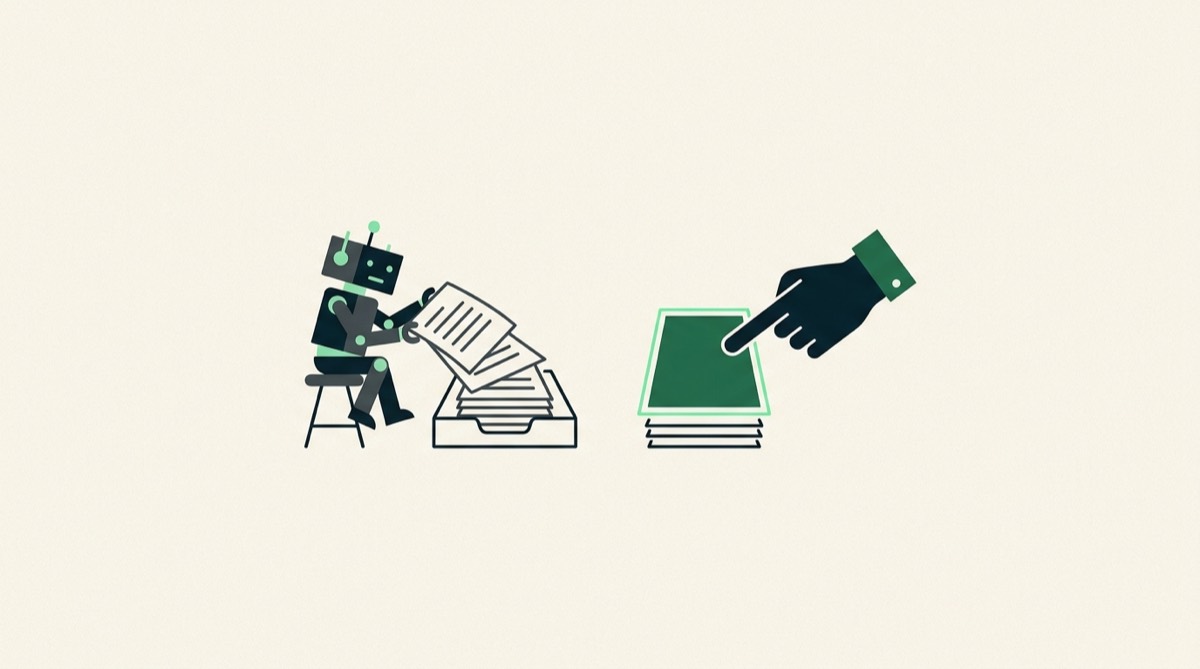
Short answer: An automated SEO report lists issues with no judgment and no GEO coverage. A human audit prioritizes: it tells you which three fixes to make first, why, and the expected impact, across both Google and AI search. For an ecommerce store, the difference is between a 200-item list and a 90-day plan you can actually run.
Free SEO tools are useful. They are also where most store owners get stuck. A scan hands you a long list of issues and no sense of what to do with it. The honest comparison is not “tool versus human”, it is “a list versus a plan”. Here is the difference that matters for an ecommerce store.
What each one is good at
A free or automated report is great at one thing: surfacing issues fast and cheaply. A human audit is built to do the thing a tool cannot: decide.
| Criterion | Free automated tool | Human audit (RankClarity) |
|---|---|---|
| Prioritization | None. Every issue looks equal. | Ranked by effort and impact, so you know the first 3 moves. |
| GEO coverage | Not measured. | Tests ChatGPT, Perplexity and AI Overviews directly. |
| Business context | Ignored. | Weighed: your money pages, margins and goals shape the plan. |
| Competitor view | Generic or none. | 3 to 5 real competitors benchmarked on both search worlds. |
| Output | A 200-item issue list. | A sequenced 90-day roadmap you can run. |
| Price | Free | Fixed price, $399 |
Where tools fall short for ecommerce
Automated reports share three blind spots that hurt stores specifically:
- No prioritization. A category page with thin content and a missing alt tag are flagged the same way. One caps your rankings, the other does not. The tool will not tell you which.
- No GEO. The fastest-growing way buyers find products is by asking an AI. Classic tools do not measure whether you are cited, so you cannot fix what you cannot see.
- No judgment about your store. A tool does not know that your bestselling collection is also your weakest page, or that one competitor is eating your branded queries. Context is where the real wins are.
When a tool is enough (and when it is not)
Use a free tool when you want a quick gut check or to confirm an obvious technical problem. That is a legitimate first pass.
Move to a human audit when you are ready to act and want to act on the right things. If you have ever exported a tool report, felt overwhelmed, and closed the tab, that is the exact gap a human audit closes. It does not give you more to do. It gives you less, in the right order.
The bottom line
The choice is not about trusting a person over software. It is about what you get at the end. A tool gives you a list. A human SEO + GEO audit gives you a plan: the three things to fix first, why they matter, and what to expect, across both Google and the AI engines. For a store with limited time, the plan is what actually gets done.
Frequently asked questions
Are free SEO tools enough?
They are good for surfacing issues, but they do not prioritize, do not cover GEO, and do not weigh business context. You still have to decide what actually matters.
What does a human audit add over a tool?
Prioritization, GEO coverage, real competitor context, and a sequenced 90-day plan. It turns a raw issue list into the next three things to do.
Free download: The Ecommerce SEO + GEO Checklist
A practical checklist to get your store found on Google and cited by ChatGPT, Perplexity and AI Overviews.
Want this done for your store, with a prioritized 90-day roadmap?
Get your SEO + GEO audit